
Running Water
The name Coureilles is said to derive from the expression “running water.” It refers to a freshwater spring that once fed the marshes surrounding the estate, in what is now known as the Minimes neighborhood.
A simple name, yet deeply rooted in the geography and history of the place.
Traces of this spring still remain today in the form of Lake Sole.
7 centuries,
3 owners
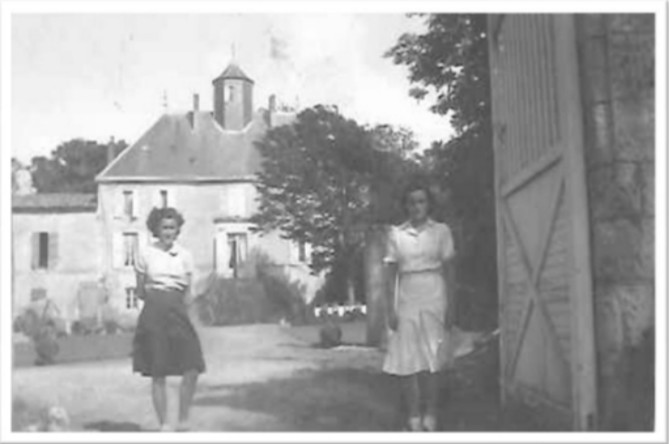
Since the 15th century, Coureilles has had very few owners, a rarity for an estate of this size. The earliest records of the estate date back to the Azay and Girard families, before it was passed on to Hubles Pastoureau, Lord of Coureilles and mayor of La Rochelle in 1473.
In 1710, Coureilles was sold to the Léger de Lagrange family, then in 1813 to the Oltramare family, who retained ownership until 2023.
As the estate’s last major historical owners, the Oltramares left a profound mark on the history of Coureilles and helped preserve the estate as it stands today.
1627 – COUREILLES during the siege
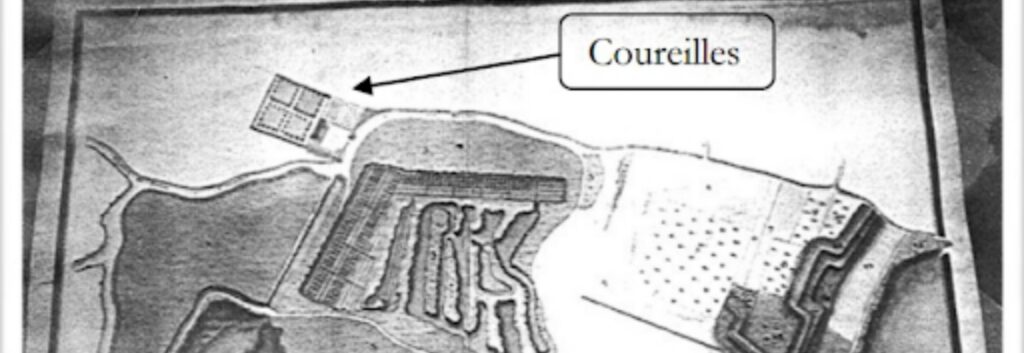
In 1627, Coureilles found itself at the center of a major episode in the history of La Rochelle: the siege of the city by the troops of Louis XIII and Cardinal Richelieu.
The Coureilles headland thus became an ideal observation post for monitoring the sea and the harbor entrance. The Duke of Angoulême established his headquarters there, while troops helped build the dike intended to block the city’s supply lines from Protestant ships.
For several months, Coureilles was thus deeply marked by the military presence and the siege.
A Farm at the City Gates
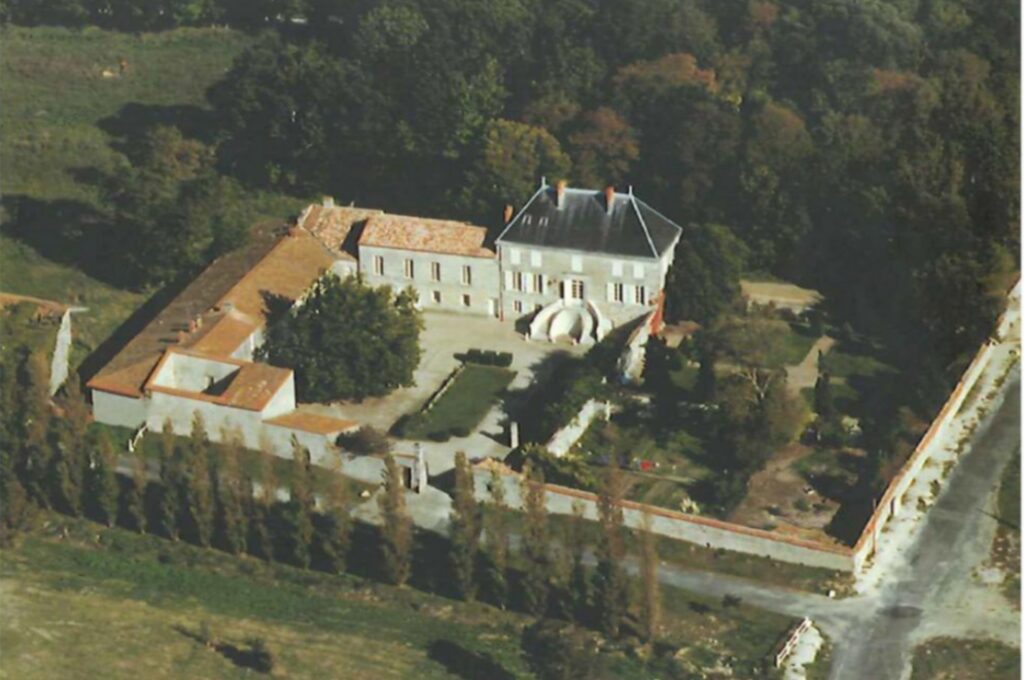
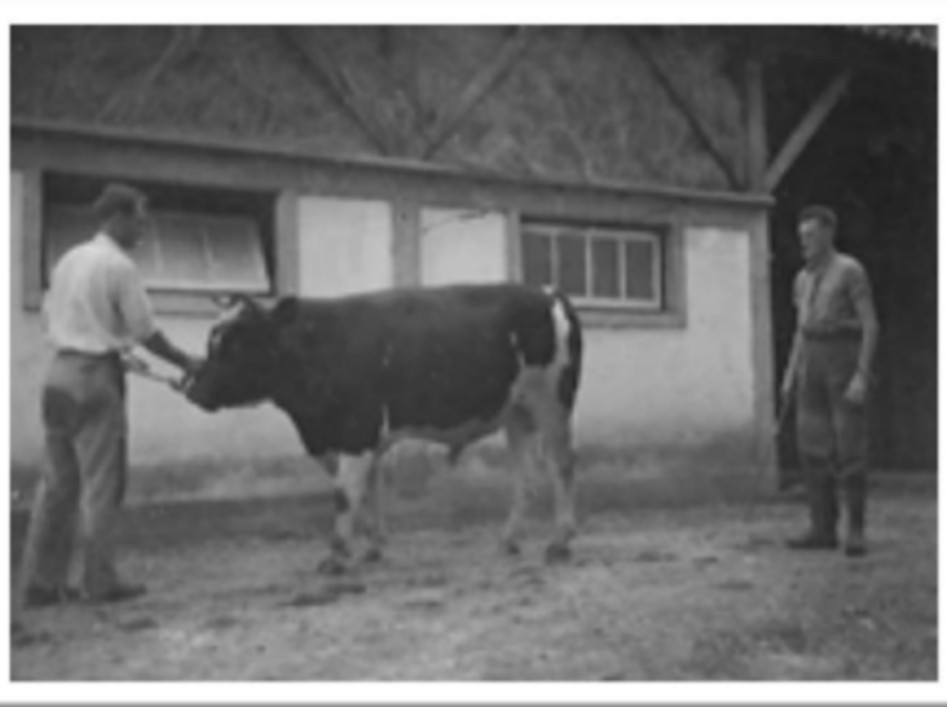
For several centuries, and up until the 1970s, Coureilles remained primarily a farm, untouched by urbanization.
Just a few kilometers from the center of La Rochelle, the estate is surrounded by marshes, meadows, and farmland.
After producing wine there for a long time, Coureilles came to rely mainly on dairy farming and the cultivation of hay and grains. Life followed the rhythm of the seasons and the work of the land.
Until the 20th century, the estate remained almost completely isolated from the rest of the city.
The Lost Marsh
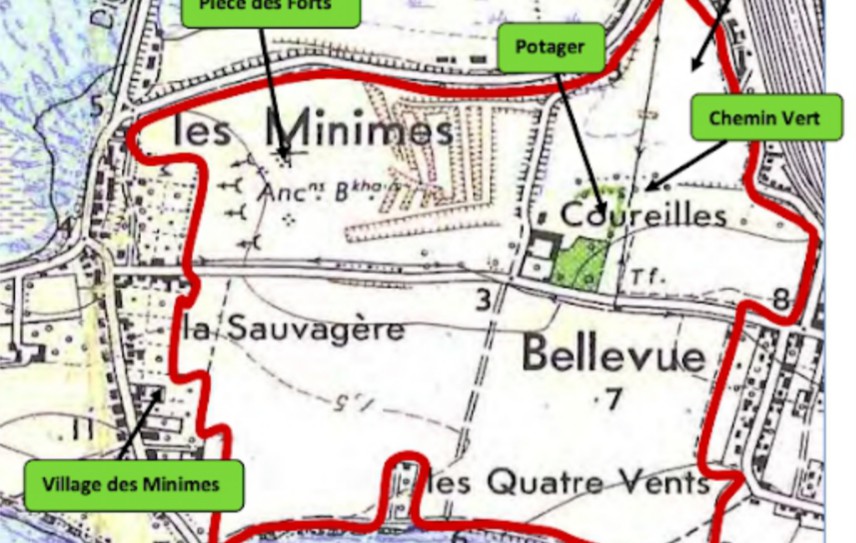
Before the neighborhood’s modern development, the entire Minimes area consisted of a vast landscape of marshes and water.
The Lost Marsh stretched all the way to Coureilles and formed a natural barrier between the city and the point.
Difficult to develop, the city used the eastern part of this area for many years as a landfill, dumping trash and urban waste into what was called “Le Bourrier.”
Urbanization
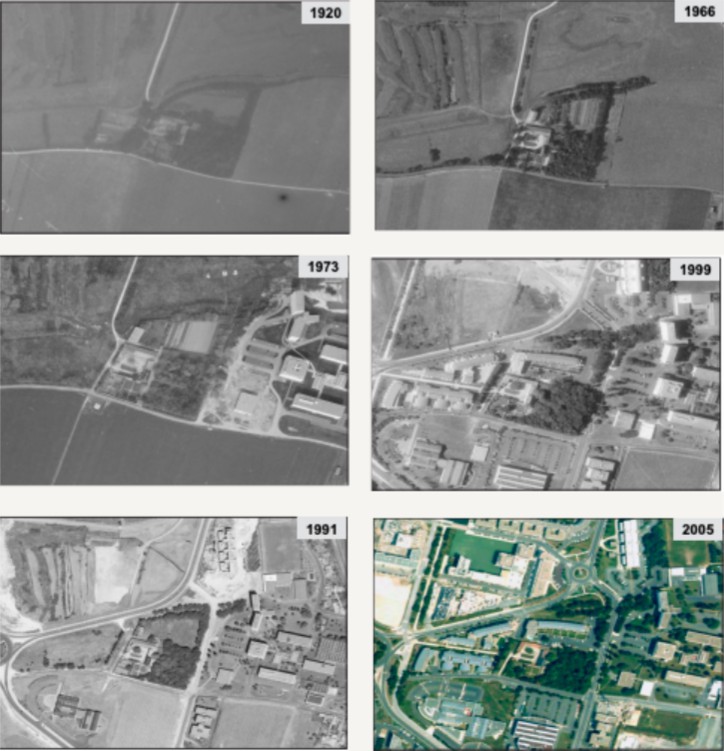
For a long time, Coureilles remained on the outskirts of La Rochelle’s expansion.
It was in the 1970s that the construction of the Port des Minimes and the university district profoundly transformed the landscape.
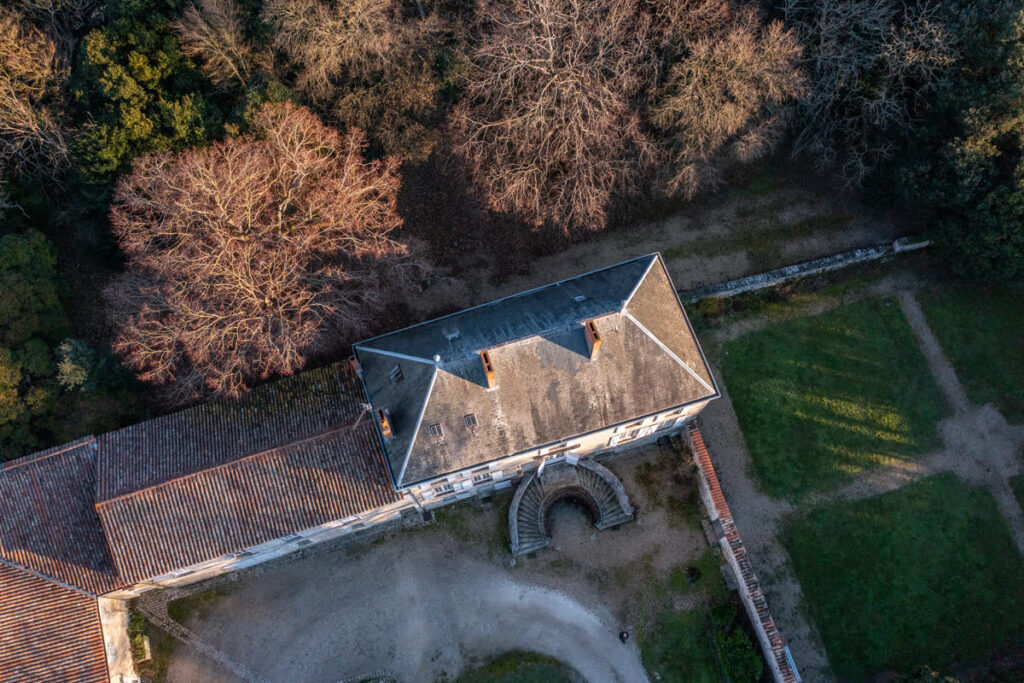
A large portion of the estate’s farmland was then expropriated to make way for the neighborhood’s development. The historic heart of the site, however, was protected thanks to its designation as a picturesque site of Charente-Maritime.
Coureilles thus remains an island of nature and heritage in the middle of the city.
A New Chapter
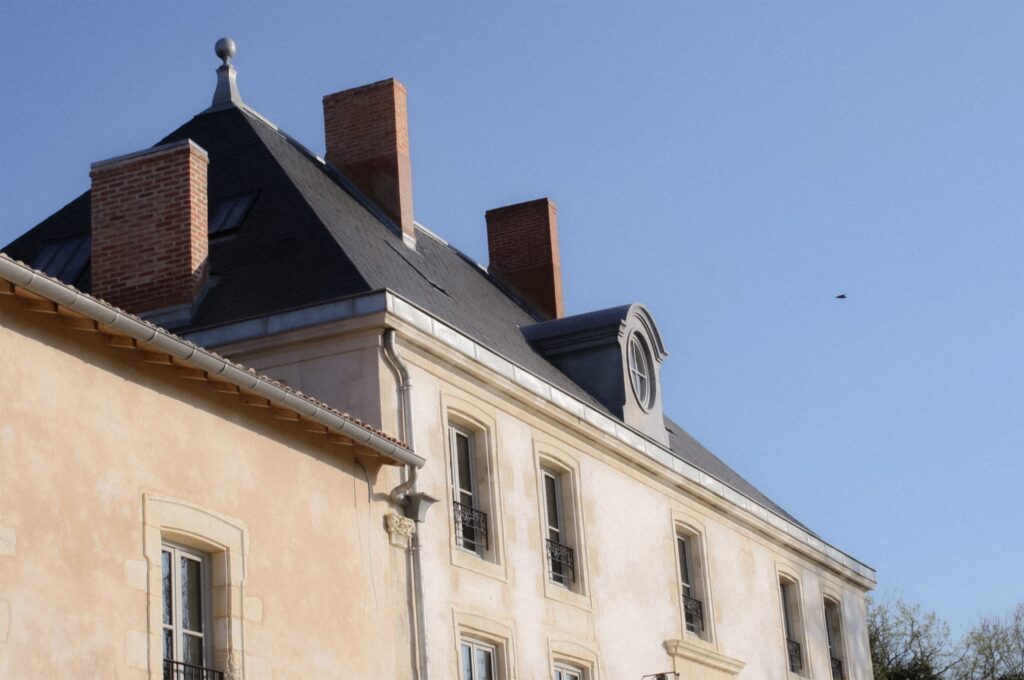
Today, Coureilles is turning a new page in its history. After centuries of agricultural activity, the estate is being reborn as an open, hybrid, and vibrant living space. The project aims to breathe new life into this site while respecting its history and architecture.
Designed as a village square on a human scale, Coureilles features now a restaurant, a café, event spaces, lodging, gardens, and open areas connected to nature. A place to gather, share, and continue writing, together, the story of Coureilles.